Discover Your
Best Self
We don’t sell workouts — we build people who last. Strength, mobility, nutrition, and recovery working together in a system that actually makes sense. Clear benchmarks, real progress, and a path forward.
Train hard. Recover well. Keep going.
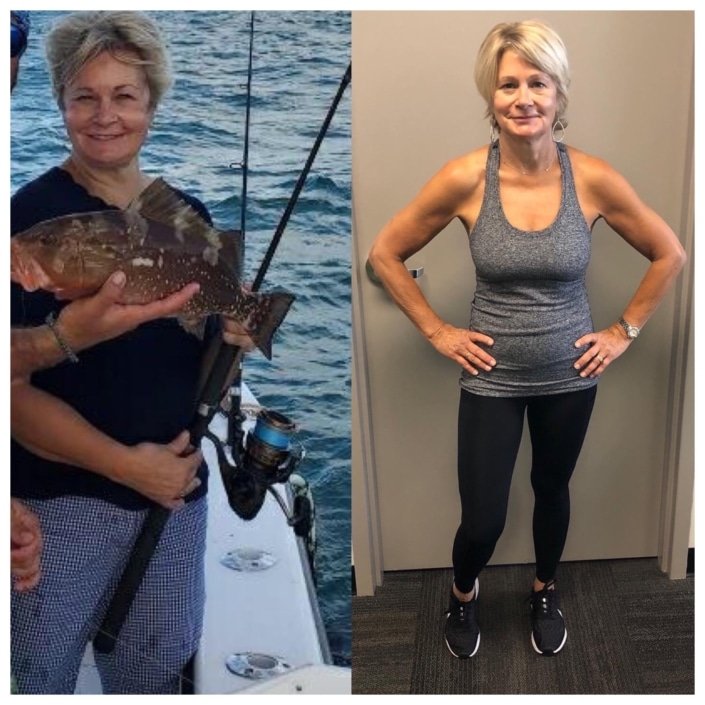
Real Results
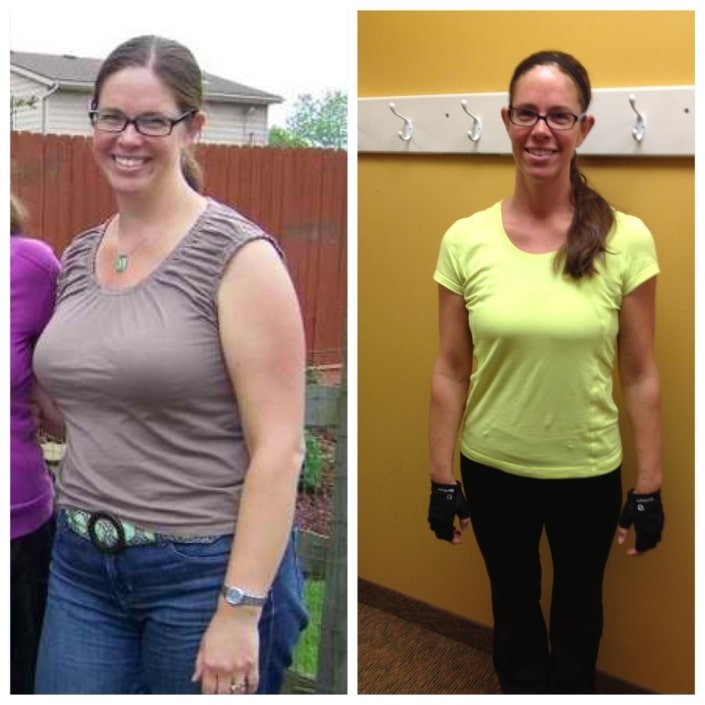
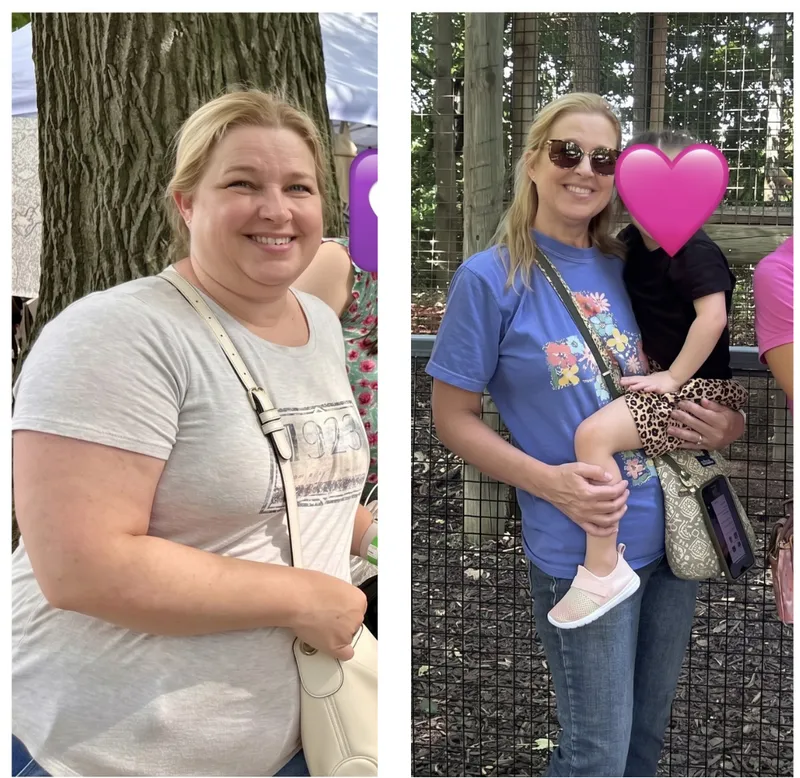
Transformations That Speak for Themselves
Our clients don't just lose weight — they gain confidence, energy, and a new relationship with their bodies. Every result here was achieved through our proven system of personalized training, precision nutrition, and advanced recovery.
Start Your Transformation See All Transformations →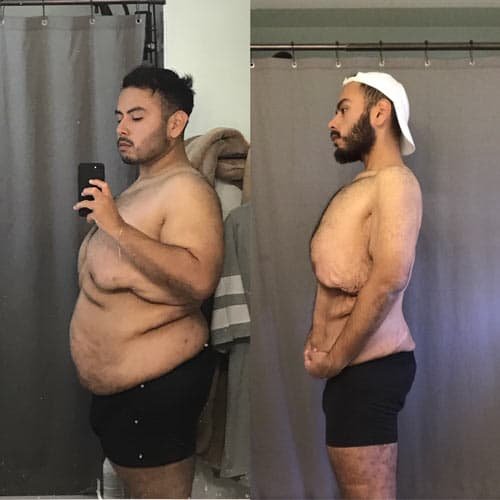
The Three Pillars of Transformation
A proven framework for lasting, measurable results.
Private Studio
Train in a fully private facility with zero distractions. Just you, your coach, and world-class equipment in a focused environment.
- Elite Training Environment focused on privacy.
- Expert-Led, Individualized Programming.
- Results-Driven System
Holistic Approach
We build resilient, high-performing humans. Our system integrates essential components to elevate longevity.
- Strength, nutrition, & recovery unified
- Hormone & metabolic optimization
- Longevity-focused programming
Data & Goal Driven
Every session is evidence-driven. Comprehensive assessments and built-in strength metrics ensure your program evolves with your body.
- Comprehensive baseline evaluations.
- Monthly progress & nutrition benchmarks.
- Performance Testing
System Overview
Step 1: Strategy Session
Start With Clarity
We begin with a no-pressure conversation to understand your goals, health history, lifestyle, and what success truly means to you. This is about alignment, not sales — making sure we're the right fit for your next level.
Step 2: Comprehensive Evaluation
Assess. Measure. Personalize.
If we're a fit, we move into a detailed performance evaluation. Movement screening, body composition, strength metrics, and lifestyle analysis give us real data — so your 12-Week Experience is built precisely for your body, not based on guesswork.
Step 3: The 12-Week Experience
Build Your Foundation
Every client begins with our 12-Week Experience, where we build strength, mobility, stability, and the lifestyle habits that make results last.
clients progress within the system—getting stronger, moving better, and maintaining consistency for life.
Step 4: Next Decade Strong
Continue the Progression
Your 12-Week Experience introduces you to the Performance Pathway through the Explorer level. Next Decade Strong is where the journey continues. Continue assessing your capacity, building your scores, completing missions, and progressing through each level of the system:
Explorer → Builder → Performer → Guardian → Next Decade Strong
The goal is simple: keep building the strength, mobility, endurance, and resilience to enter your next decade more capable than the last.
Step 5: Signature Select
The Highest Level of Personalization.
For those seeking our most comprehensive level of service, Signature Select brings training, recovery, lifestyle strategy, and the BBCT Performance Pathway together into one highly personalized experience.
With limited availability and priority access, Signature Select is designed for members who want BBCT’s highest level of individual attention, integration, and support.
A System, Not Sessions
Every phase builds on the last. Every level has standards. Every program evolves with you.
Whether you want to build a strong foundation or pursue elite longevity, there is a clear path forward — and it starts with one conversation.
Book Your Strategy SessionReady to Get Started?
Book your free strategy session below to align your goals with our proven systems.
What Our Clients Say
250+ Five-Star Google Reviews
"I have been working out at Body by Choice Training for the past two years working with Rachael and Scott. Both have been tremendous to work as I have continued to see wonderful progress. BBCT is a wonderful community environment to work out in, with tailored training sessions, accountability, and thoughtful direction to meet my goals. I plan to continue training at Body by Choice for a long time."
"I've had such a positive experience with the Body by Choice team. I've been training with Scott, who pushes me to challenge myself while still paying attention to what I'm capable of that day. I've also been doing fascia stretch therapy sessions with Garrett — and it has been a total eye opener for managing my hip pain."
"I can't recommend BBCT highly enough. I've been training with Lisa B for several months, and she's been instrumental in helping me improve my lifting form and overall technique. She created a personalized program that's helped me rebuild my core strength safely and effectively."
"My experience with Body By Choice has been fantastic. This was my first time training with a professional, so I wasn't sure what to expect. But Cheston earned my confidence right away with his approachability, humor, and depth of knowledge."
"I have received the best fascia therapy stretching. BBC staff are very friendly and helpful. My knee is improving each visit. Very knowledgeable staff to identify for your needs and …"
"I wanted to get back into strength training and comfortable with machines and free weights before doing things more on my own. After learning about BBCT and reviewing my goals, …"
"Working out with Nick and his trainers is an excellent experience and I’m pleased with my improvements in health, strength and looks. Everyone is professional and knowledgeable, the facility is …"